House Clearance Havering: Recycling and Sustainability
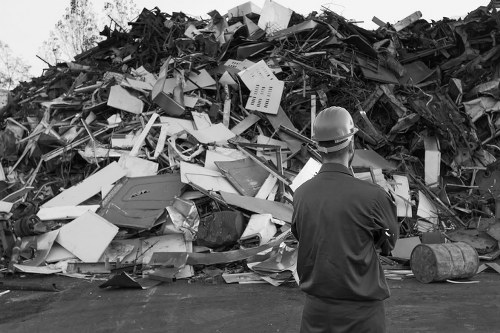 House Clearance Havering puts ecological disposal at the heart of every clearance. Our sustainable rubbish area approach combines careful sorting, local partnerships and a commitment to reducing carbon emissions across all services. Whether you need an estate clear-out, a single-room declutter or full property clearance, our eco-focused process aims to maximise reuse and recycling while minimising landfill.
We follow a systematic sorting regime that reflects the boroughs' approach to waste separation: dry recycling (paper, card, plastics), glass, textiles, metal, and separate food or biodegradable streams where applicable. Havering house clearance teams are trained to identify items suitable for donation, refurbishment or specialist recycling so that materials stay in circulation instead of becoming waste. This local emphasis supports circular economy goals and improves resource recovery for the community.

Targets and measurable commitments
Our measurable recycling percentage target is a key part of the service: we aim to divert at least 80% of clearance waste from landfill through a combination of reuse, repair, recycling and recovery. This recycling threshold applies to household contents and bulky waste removed as part of any clearance job. The 80% diversion target is reviewed annually to reflect improvements in processing, seasonal variations and the availability of reuse channels.
Local transfer stations and processing centres
We work with local transfer stations and recycling centres across East London and the surrounding areas to ensure materials are processed efficiently. Typical facilities we partner with include household recycling centres in and around Havering, Romford transfer facilities and nearby municipal sorting plants. These centres specialise in bulk loading, material separation and onward distribution to recyclers and re-processors. Using local transfer points reduces haulage distances and supports the borough's integrated waste management network.
House clearance in Havering benefits from these nearby processing hubs because they enable quick turnaround of sorted materials, reducing on-site storage time and lowering the overall environmental footprint of each clearance project. We prioritise transfer stations that can accept mixed household items, appliances for WEEE processing, mattresses, and construction waste from small renovation clearances.
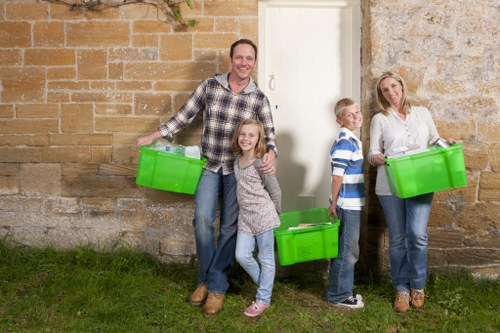 Partnerships with charities and social enterprises are central to our reuse strategy. We donate usable furniture, household goods, clothing and bric-a-brac to reputable charities including local community shops and national charities with local outlets. Partnering with charities ensures that items which are still functional gain a second life, supporting local families and reducing demand for new goods. We also collaborate with social enterprises that refurbish appliances and electronics, extending product lifecycles and diverting electrical waste from landfill.
Reducing carbon emissions is another pillar of our sustainability programme. Our low-carbon vans and logistics planning lower the environmental impact of removals: we operate a growing fleet of electric and hybrid vehicles for urban clearances and efficient Euro 6 diesel alternatives for longer or heavier runs. Route optimisation software reduces mileage and idle time, while regular vehicle maintenance ensures fuel efficiency and fewer emissions on every job.
For larger clearances where a single electric van is not sufficient, we combine low-emission vehicles with consolidated loads to local transfer stations, keeping lorry miles low and maximising load efficiency. These operational choices are part of our broader sustainability policy which includes plastic-free packaging where possible, paperless invoicing, and the use of recycled materials for protective wrapping.
Our sustainable rubbish area principles also extend to specialist waste streams: we arrange responsible processing for WEEE (electricals and electronics), hazardous household items (batteries, solvents), metal, timber and inert materials from minor building works. This avoids cross-contamination of recycling streams and helps local processors achieve higher purity and recyclability rates.
How we measure success
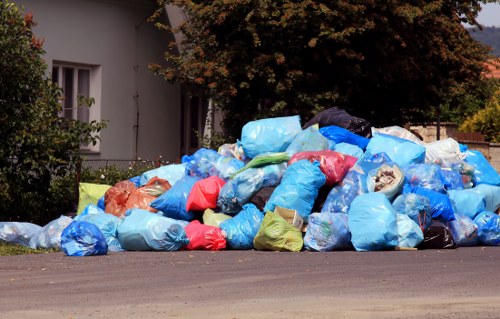
Success metrics are transparent and data-driven. For each clearance we record tonnages sent for reuse, recycling, energy recovery and residual disposal, enabling us to publish diversion percentages and identify improvement opportunities. Havering waste reduction targets are supported by quarterly audits and regular reviews with transfer stations and charity partners to ensure the best possible outcomes for materials collected.
Key features of our sustainable clearance service include:
- 80% recycling and reuse target for household clearances
- Partnerships with charities for donation and redistribution
- Use of low-carbon vans and route-optimised logistics
- Local transfer stations for efficient material processing
- Responsible handling of specialist streams: WEEE, textiles, mattresses and bulky items
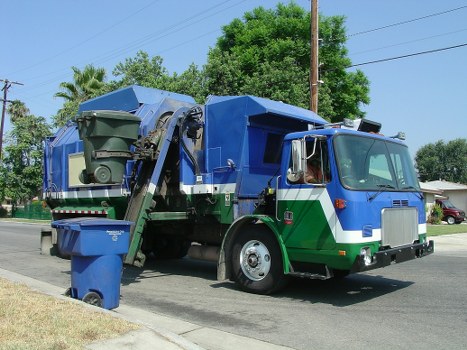 In summary, House Clearance Havering is committed to delivering an eco-friendly waste disposal service that aligns with local borough approaches to waste separation and circular economy principles. By setting rigorous recycling percentage targets, collaborating with trusted local transfer stations and charities, and investing in low-carbon vehicles and smarter logistics, we create a cleaner, more sustainable rubbish management service for Havering and neighbouring communities. Our ongoing commitment is to reduce landfill, support reuse, and ensure every clearance contributes positively to the local environment and community well-being.